Food Pantries in Wise County, Texas: Where to Start
A short-term food gap can feel much bigger than it looks. One missed paycheck, a medical bill, or a spike in grocery prices can put stress on the whole month. When that happens, local food help can make the next few days easier.
Across Wise County, many pantries help families, seniors, and individuals who need groceries for a week or two. Some are run by churches. Others are part of nonprofit or community outreach programs. Most try to keep the process simple, private, and welcoming.
Whether you live in Decatur, Bridgeport, Boyd, Alvord, Rhome, New Fairview, or a smaller nearby town, support may be closer than you think. A quick call before you leave home can save time, gas, and stress.
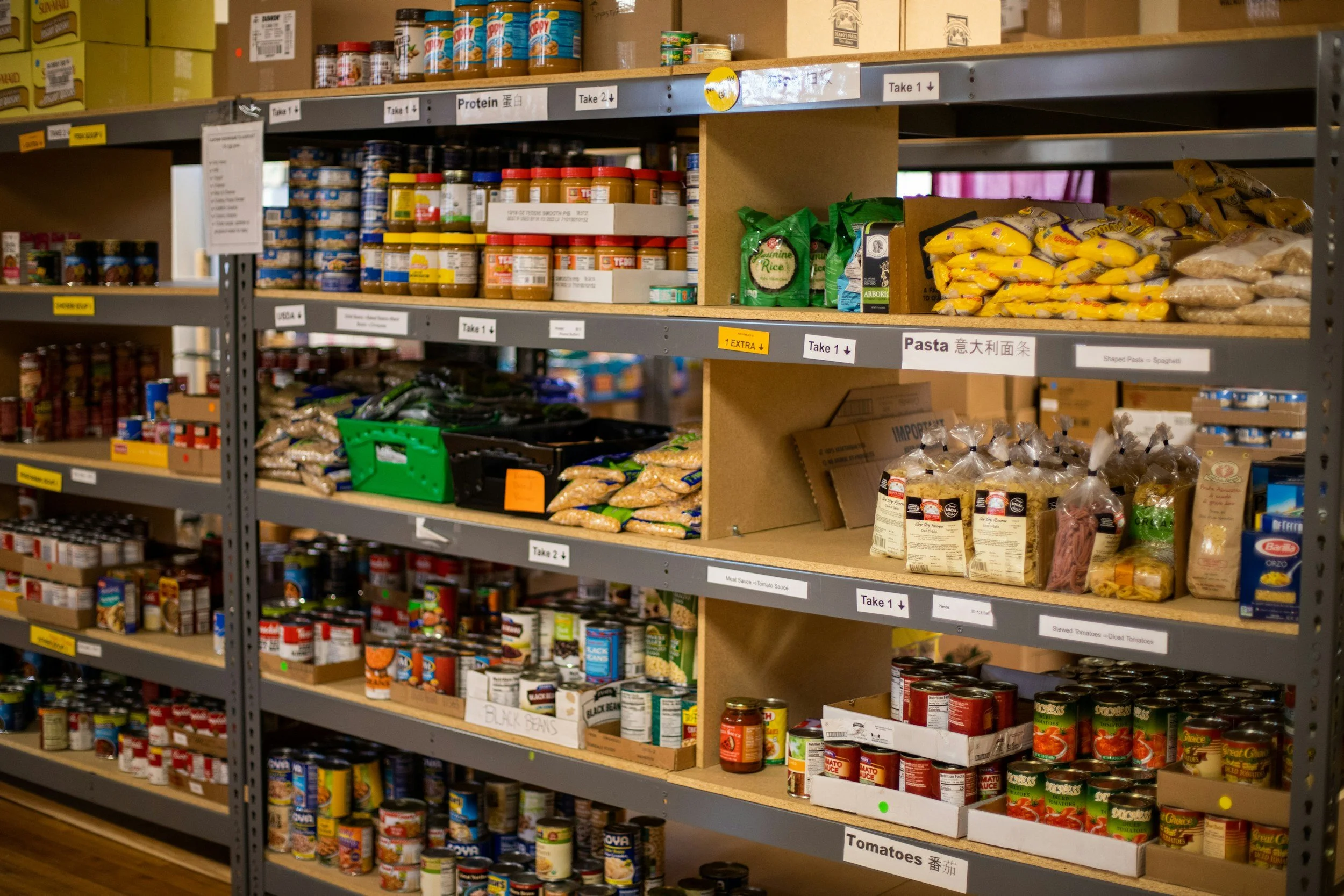
Wise Area Relief Mission (WARM) is located in Decatur, Texas.
Where to find food pantries across Wise County
Pantry access can change from town to town, so starting close to home usually works best. Wise County covers a wide area, and a pantry in one town may not be the easiest choice if you live 20 or 30 minutes away. Because of that, local churches, neighborhood groups, and town-based charities often matter as much as county-wide programs.
If you live in Decatur or Bridgeport, begin with those communities. Residents in Boyd, Alvord, Rhome, New Fairview, and nearby areas may also find help through small churches, outreach ministries, or local service groups that know the area well. Places such as Wise Area Relief Mission (WARM) serve the county.
Local places that often provide food support
Most food pantries in Wise County fall into a few common types. Churches are often the first place people hear about, because many give out grocery boxes or host weekly food pickup days. In addition, nonprofit groups and county-based charities may offer regular pantry hours or emergency food by request.
Some community outreach programs also help with food, even if pantry work isn't their only focus. A local church office, school counselor, senior center, or community center may know which sites are active now. That matters because smaller pantries sometimes operate quietly and rely on word of mouth.
How to confirm hours, location, and availability
Before you go, call ahead if you can. Many pantries have limited hours, appointment windows, or pickup days that only happen once or twice a week. Holiday schedules and bad weather can also change plans.
Check a pantry's website or Facebook page if one exists. If nothing is posted, ask a nearby church or community center. Food supply can shift from week to week, so a pantry may have plenty one week and less the next.
Posted hours aren't always the last word. A two-minute phone call can save a long drive.
What most food pantries in Wise County usually ask for
A first pantry visit can feel awkward, especially if you've never needed help before. Still, most sites keep the process calm and brief. They may ask a few simple questions so they can serve people fairly and keep records for donors or partner groups.
Rules vary by pantry. Some help anyone who asks. Others focus on people who live in a certain town, ZIP code, school district, or church service area. Because of that, it's smart to ask what they need before you arrive.
Basic documents that may help you move faster
Many pantries try to avoid heavy paperwork. Even so, bringing a few basic items can make check-in faster. A photo ID is common. Some sites also ask for proof of address, such as a utility bill, lease, or piece of mail.
You may also be asked for the number of people in your household, along with children's ages if you have kids at home. A few places may ask about income, but not all do. If you don't have every document, don't stay away. Call first and ask what they accept. Many programs try to work with what people have.
What food and other items you might receive
Most pantry boxes include shelf-stable basics that stretch well over several meals. That often means canned vegetables, beans, pasta, rice, cereal, peanut butter, soup, and shelf-stable milk. Some sites also offer bread, frozen meat, produce, or dairy when donations and storage allow.
At times, you may find more than food. Baby items, diapers, hygiene products, and pet food sometimes show up when donors provide them. The mix can change each week, so one visit may look different from the next. If you have food allergies or a medical diet, mention that when you call. A pantry may not be able to meet every need, but staff often tell you what is on hand.
Other ways Wise County residents can stretch food budgets
Pantries help, but they're often one piece of the puzzle. If grocery costs keep rising, combining pantry visits with other local support can take pressure off your budget. Families may qualify for school breakfast and lunch programs. During school breaks, some areas also offer meal help for kids.
Seniors may have access to meal programs, while many households may qualify for SNAP through Texas. Local churches sometimes help with emergency groceries or community meals, even if they don't run a full pantry every week.
When to look beyond a pantry
Sometimes the nearest pantry is closed, out of stock, or too far from home. In that case, ask about other options right away. A church office, school district contact, or local outreach worker may know about drive-through food events, pop-up distributions, or mobile food programs nearby.
It also helps to ask whether a pantry gives one-time emergency groceries outside normal hours. Some do, especially for families with children, seniors, or people without transportation. If travel is hard, tell them that. They may know a closer site in another part of Wise County.
How to make the most of the food you bring home
A pantry box goes farther when you plan around what will spoil first. Use fresh produce, bread, and dairy early in the week. Then build later meals around rice, pasta, beans, soups, and canned items.
A few simple habits can help:
Freeze extra bread, meat, or leftovers if you have space.
Plan two or three easy meals before unpacking everything.
Save a small shelf-stable backup for the end of the week.
Those steps won't fix a tight budget, but they can make pantry food last longer.
A Simple First Step
Food help in Wise County is often closer than people think. The hardest part is usually the first call, not the visit itself. Once you know which pantry is open, what area it covers, and what to bring, the process feels much easier.
If you need groceries now, start with the nearest church, pantry, or community resource and ask a few direct questions. Help with dignity is the goal, and many local groups work hard to offer exactly that.